THE FIGHT TO DE-DEMONIZE HIV

98EF842B-7305-40A8-BFBD-F866DC9539AB

Mid to late 90s Zimbabwe was at its peak of HIV infection with a quarter of the adult population recorded to be infected. Knowledge was very minimal and the people were caught unaware by the dreaded virus, the main cause then being heterosexual intercourse. In the late 90s to early 2000s a very large naïve but HIV infected new generation was born. Not their fault of course but just unlucky, now they have to live with the consequences of others’ actions for the rest of their lives. Since then there have been major strides in preventing mother to child transmission with a vision to eliminate it by 2021 which is applaudable but then year after year infant related new HIV infections are recorded although on a significant decrease.


7A522042-FC35-4BAE-A63C-F18AB384033C

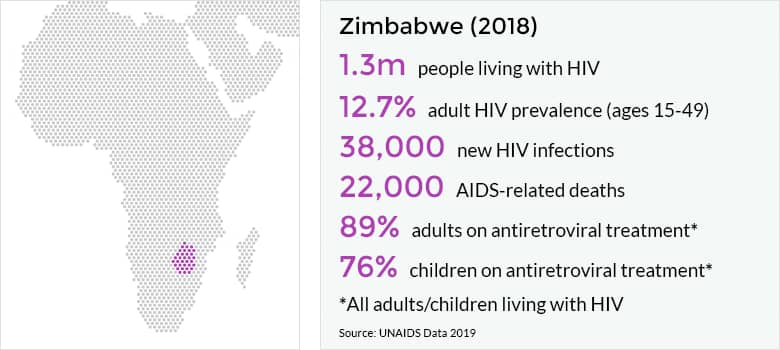
These are the recent statistics of the distribution of HIV in Zimbabwe. My focus will mainly be on the significant number of children and adolescents infected by HIV and this a fight against stigma directed towards this fragile group. Adolescence is a very crucial stage in development. It is the stage in which the individuals will be trying to find their feet in the world, get to be self-conscious of oneself to be able to propel one’s life in the desired direction. It is the stage at which one gets it right or gets completely lost and gaining confidence and social support are some of the things expected of the adolescent as he/she is weaned into adulthood.

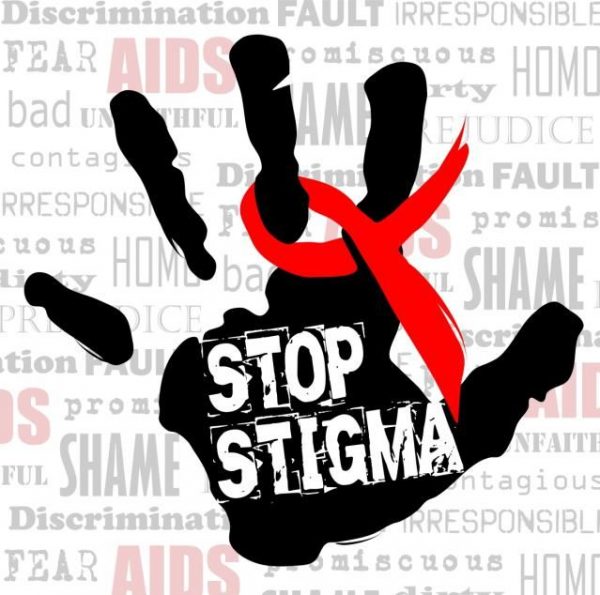
The HIV positive youth is very vulnerable at this stage. The stigma around being HIV positive in society is something unbearable to this naïve adolescent. HIV is still something demonized to the extent that if the agemates find out about the child’s status they can virtually stop sharing material with the infected, they will stop associating with him/her at virtually all levels and its something unbearable to the infected but naïve youth. Taking particular cognizance to those born infected, imagine the tormenting thoughts everywhere they go. Most of them are reported to stop going to school, some even confess to having suicidal thoughts multiple times and most of them find problems expressing themselves but remain encapsulated in this shell so difficult to break free of. Each and everyday the fear of being exposed haunts them and it is very difficult for them to navigate their way up the rungs of society. All this points towards a perennial poor mental state and this is the boundary we ought to work to break into and even out the odds for this unfortunate social group at this volatile stage of their life.

The problems faced by the HIV infected youth are way so overwhelming. It is the 21st century, people claim to be educated but then the infection is still demonized at most levels of society. They think they will get infected as well by handshakes, sharing a cup or playing in the same football team as an infected person. The church is supposed to be a pillar of strength to this fragile group but more often than not the men of the cloth associate HIV with promiscuity and immoral sexual activities in their preachings. Imagine those born with the virus, imagine those infected via blood transfusion or even those who got it via sexual transmission do not deserve to be marginalized but they need all the support they can get. After all HIV is just another infection, with proper medication one can live a very normal life so what is special about it.

The efforts of Africaid through its Zvandiri programme is a brilliant initiative in giving support to the HIV infected adolescent between 6 and 24 years and so is the contribution of UNICEF through its Community Adolescent Treatment Supporters (CATS). Indeed, these infected people need all the support they can get from all angles possible to make sure they make the most out of their lives. Recently the IMUNZI Project with its Comprehensive Sexuality Program was launched. These are tools to help the subject group to counteract the stigma around them but why not fight to do away with that stigma before they are even exposed to it?

I believe it is high time we all step up and fight HIV related stigma right at the grassroots. Recently sexual education has been introduced at ECD level, which is a good initiative and l believe we can do much more to neutralize the stigma right from this stage. These young innocent fellows have to be made aware of this disease at this early stage and taught to embrace the infected. They ought to be taught that mere interaction with them will not get them infected as well. It is funny to think of how malleable the brains of children are at these early stages and they can be made to believe whatever the elder ones deem necessary, look at Hitler and the Nazi regime and how they manipulated the education system into making the children believe in him. It is just that in this instance we will be using this phenomenon to the benefit of everyone. This may seem like a very long-term initiative but believe you me it is worth it. If successful we would then have managed to create an HIV stigma free generation. The HIV infected individuals will then be able to freely express themselves and their mental health would be sound.

This initiative will not only be able to eliminate HIV related stigma but will also go a very long way in reducing the number of new infections every year as there will be much more awareness on the issues to do with HIV. Its has been quite a long time now since HIV started tormenting the nation. The societal point of view has not been any kind to the infected individuals and they have been marginalized for way too long. It is high time we make a collective approach to fight it off together with the stigma that comes with it. Yes, Nelson Mandela was correct…indeed education is the most powerful weapon we can use to change the world.

#PinkOctober-Breast cancer fight

This week in #PinkOctober, we take a look at the risk factors that predispose an individual to getting breast cancer.

There are factors that we can control. Inactivity, and in addition obesity, are two such factors. Getting active and maintaining a healthy weight reduces breast cancer risk.

Taking hormones (such as oestrogen and progesterone in the combined oral contraceptive) can also act as a risk factor for breast cancer. It is, therefore, very important to consult a medical professional before starting hormone therapy.

Uncontrollable risk factors include age, genetics, a family history or personal history of breast cancer, reproductive history or having dense breasts.

It is important to consult your doctor in case of any concerns. Regular check ups are also your best bet for early detection.

_
#PinkOctober
#ThinkPink
#BreastCancerAwareness
#AfROCares

17814D9B-749B-4DE9-A8B7-0C6D3B27923A

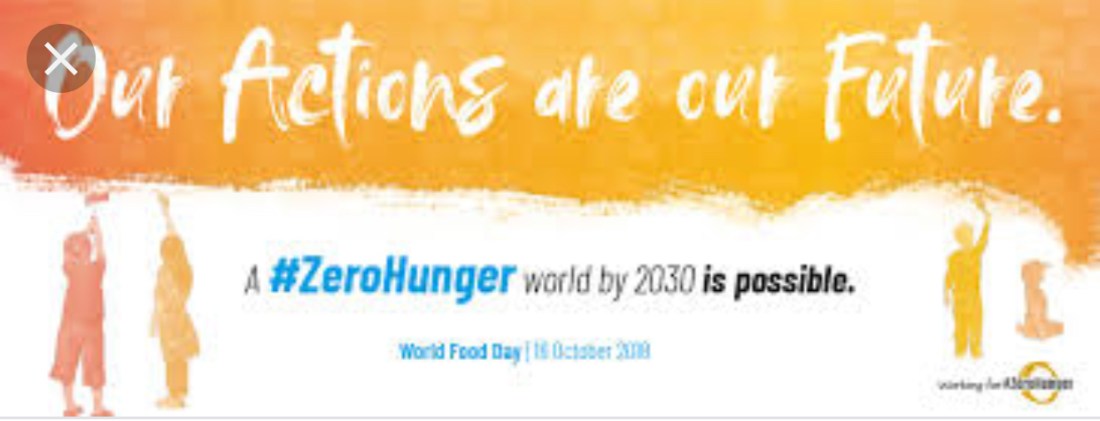
As we celebrate world food day today , we are being guided by SDG2 which says “Zero hunger”
Under the theme* Our actions ,our future *
8 Reasons Why Zero Hunger Changes the World
Zero hunger could save the lives of 3.1 million children a year
Well-nourished mothers have healthier babies with stronger immune systems
Ending child undernutrition could increase a developing country’s GDP by 16.5 percent
A dollar invested in hunger prevention could return between $15 and $139 in benefits
Proper nutrition early in life could mean 46 percent more in lifetime earnings
Eliminating iron deficiency in a population could boost workplace productivity by 20 percent
Ending nutrition-related child mortality could increase a workforce by 9.4 percent
Zero hunger can help build a safer, more prosperous world for everyone
What do you think our role as medical students is to fight hunger,mind you ,it’s a problem currently on our shores and affecting some of us as we speak

*Open discussion *

The unspoken trigger

By Tafadzwa Chipochashe Deliwe Nadine Marunda

A controversial popular series called 13 Reasons Why recently released its 3rd season that was being strongly encouraged to be its last following the noted increase in the number of teenage suicides. Some people say it’s overrated, that it exaggerates depression and bullying in American schools and although that may have an element of truth in it… the show has created a starting point for so many controversial topics. Conversations about mental health in relation to; sexual abuse, parents triggering depression and most importantly how parents and guardians can get involved and make a difference have been started due to it.

No doubt we’ve come a long way in raising awareness on mental health and the best ways to deal with it. However there is something we don’t like talking about or we’ve avoided it for far too long and I believe it’s because it’s something we’re afraid may awaken emotions that we have to confront. We’ll be forced to come to terms with things we’ve ignored for a very long time. So here it goes… Brace yourself.

Like 13 reasons why I’m about to become controversial buy starting a conversation nobody wants to start…

Let’s talk about it… How the people closest to us are the primary triggers of our mental health issues, particularly parents. I’ve been in quite a number of spaces where people talk about depression and very few of them dive into the concept of depression among youths that is triggered by parents. More than half of the people who have trusted me with their depression survival stories highlighted the active role of their parents in triggering it. For some they were talking about it for the first time and showed a significant level of discomfort and unease. Some would say they wouldn’t even tell their therapist of the parts where their parents were involved. I pondered on it for a while and it was shocking to me how we just never talk about it. Why? Why don’t we want to talk about it? We can talk about depression and avoid this issue with ease and intention… Maybe because talking about it in itself is a trigger, but not talking about it is an even greater trigger. Depression is equal parts deeply boring and difficult to talk about. Everyone is always like ‘reach out’ and ‘you can talk to me anytime’ but let me tell you from the wealth of my experience that 96% of people don’t want to hear you rehash your unstable self- image for the 371st time but we know that conversations of us talking about our depression are like ‘hi yeah i hate myself, same as yesterday. I feel I’m very incompetent at everything’. We add a few fresh details to the catechism of why we’re so unhappy but never really talk about what or who triggered it. People love hearing about the dramatic bits stories about hospitalizations and surefire as long as you can maintain the balance of seeming like a credible narrator but never the root of the problem that is so often normalized in the African society that it seems almost silly to say it triggers your depression. The things that parents and relatives say and do push people to the door of their mental illness. Sometimes it even opens the door and pushes us right in. The high expectation of perfection in the rest of your life stemming from your intelligence in primary school and that one prize you got way back then. As if you aren’t allowed to make a mistake all because of that one prize. The fear of talking about how something has been really hard for you because you’re lucky you’re even in that space in the first place. The constant reminder that you are not expected to have any problems because you don’t work, your school fee is covered and there’s food in the fridge. So what on earth would make you unhappy? The comparison with cousins, siblings and peers and having bars set for you that you have to reach or you just haven’t succeeded. The pressure of picking a certain career path because your parents know best and just have your best interests at heart. These pressures  dance on the surface of emotional abuse at a tender age and extend into ones’ adulthood where you’re a failure to your parents and guardians because you’re not yet married, you don’t have kids or your salary just isn’t good enough for them to brag about to their workmates and church friends. The normalization of these daily pressures and reminders in the African society has led to consistent emotional breakdowns thus mental instability to anyone who just doesn’t meet the set standards. We don’t talk about it though because talking about it makes it real. Talking about it means we have to confront it. Deal with it. It brings me joy to see people getting rid of people who disrupt their mental health. It’s easy to avoid a classmate or cut off some people we spend time with voluntarily. But now how do you avoid your parent and how do you explain that as a solution to anyone really? How do you sit down with a person you respect so much and address how their behavior triggers your depression…sometimes they may not even know what depression really is. Then there are just further layers of thinking ‘ is talking about this a brave disclosure or am i just doing it for attention. Am i wallowing or working with my trauma. Is this person going to overreact if i tell them i can’t stand my parents or does everyone think I’m such an ungrateful child who doesn’t see the sacrifices that are made for my wellbeing?’

Essentially, so many young people are afraid of the judgment that will come from people that insist that parents are to be respected, loved and allowed to share their energy no matter what it is they’ve done or do. In an African society, it is more important to maintain the image and integrity of parents than address their toxic nature. It is time to address it. It is time to confront those feelings because we’ll become the African parents we complain about. We will trigger our children’s depression and let the cycle continue because if you really look at it, guardians and parents have mental health issues of their own that they do not understand and fail to address. The pressures of being an adult leave no room for them to breathe or get into spaces where they can talk about things. This can often cause them to act out and trigger us. The solution is not to point fingers. It is essential to involve adults and parents in mental health issues that their children may face but do not tell them about. It is important to start the conversations with friends, siblings and mentors and move up to our guardians with sensitivity and understanding that they too haven’t dealt with their childhood traumas and are unaware of how they become generational. The next time we are talking about mental health, let us bring it up and share solutions on how to best tackle this issue. Only then can we tackle mental health in its complete and bare state so as to move forward and face our problems head on. Perhaps some people may not be ready for this conversation and that’s okay, but to those who are ready let’s talk about it, let’s make it easier for them.

Consequences


Drug abuse has dismantled lives and shattered dreams. Make the better choice and stop drug abuse, for healthier minds and better lifestyles.

Sibusiso Munyaradzi Ncube


The cold winter wind whistles through the remains of broken glass,
I shiver as I hug my thin blanket,
My swollen knuckles ache as I picture the pieces of glass on the other side of the wall.
I am glad i missed her this time,
I would have lost her to my own hands.
My stomach rumbles, my heart aches,
The spaces she used to feel before she fled.

I thought I’d feel more of a man,
With an iron fist and fierce aura,
Alleviated by the stench of stale cigarette smoke,
And cheap alcohol.
Was it supposed to bring me joy,
Coming home to a purple-eyed wife,
Whose once beautiful smile now appears,
As a yellow wall with one window,
Proudly sponsored by my fists.
Im drawn by the creaking in the ceiling,
The sound of scattering feet on the rotten wood,
Such a strong resemblance of my life,
I frown in disgust.

The moonlight seeps through the torn curtains,
It shines on the dusty surfaces in the small room.
A broken mirror reminds me of our shattered dreams,
A long black dress hangs on the dismantled door,
My life had sucked out all the light out of her,
But she held on because she had hope.
I was a dead soul in a frail body,
One shot and a blunt would fix this,
Deep down I’m consumed by guilt,
Because I know that’s exactly how I got here.

I’m awakened from my daydream by a tap on the shoulder.
It had only been a few minutes from my last puff,
And it was my turn again.
I look at the rolled paper between my fingers,
Now with disgust,
I think of the shattered life I had just envisioned.
Ferociously I crush it with my feet,
My accomplices stare at me protesting.
I won’t do this to her,
I won’t ruin life at twenty.

@silhouette _heart


Saving the world`s woman from cervical cancer

“SAVING THE WORLD’S WOMEN FROM CERVICAL CANCER”

By Vimbai Heather Mukarati


Many of you might be wondering why much emphasis is being put on cervical cancer prevention these days. Some do not even know what cervical cancer is !! I often hear questions like ; What are the causes and risk factors?What are the symptoms ?How can it be prevented ?Can cervical cancer be treated ? Some don’t even understand  why women are always  being encouraged to go for cervical cancer screening !Are you one of these people ? Do not worry , by the time you get to the end of this article, you will be more acquainted.

DID YOU KNOW??

The cervix  ;

  • Is the narrow part of the lower uterus which is sometimes referred to as the neck of the uterus
  • Helps menstrual blood to flow
  • Is important for the production of cervical mucus
  • Can openly dilate during child birth
  • Can prevent or encourage pregnancy
  • Usually sits straight at the top of the uterus, potentially leaning forward towards the belly. However, some women have a tilted womb making the cervix lead more towards the back which can make it harder to see during a cervical screening (which I will explain in detail later on! )

What is cervical cancer?!

Cervical cancer is a cancer that arises in the cervix of the uterus.The cervix itself contains 2 types of cells that line the outer cervix-squamous cells and cells that line the interior channels of the cervix-glandular cells.  The point at which these 2 cells types meet is known as the transition zone and this is the area where most cervical pre-cancers and cancers begin to grow. Up to 90% are known as squamous cell carcinomas with most of the remaining tumors coming from glandular cells-adrenocarcinomas. Adrenosquamous carcinomas as well as small cell and large cell neurocine carcinomas occur less commonly. Cervical cancer occurs in 4 stages which are as follows :

  1. When the cancer is in the neck of the womb and nearby lymph nodes
  2. The cancer has spread beyond the cervix and uterus,but not as far as the walls of the pelvis or the lower part of the vagina
  3. Cancer cells are now present in the lower part of the vagina or the walls of the pelvis and it may be blocking the ureters
  4. When the cancer has spread to the bladder or rectum and is growing out of the pelvis

Can people survive stage 4 cervical cancer?

The answer is yes!!! This one fact surprised me too! Around 5 out of 100 women will survive their cancer for 5 years or more after being diagnosed.

What are the statistics? !

Cervical cancer kills about 260,000 women annually and nearly 85% of these deaths occur in developing nations where it is the leading cause of cancer deaths in women.Disparities of health and poverty play a large role in this high mortality rate. Due to lack of screening, most women in Zimbabwe are diagnosed with cervical cancer at an advanced stage which has a prognosis of 63% 5-year survival rate ,57% remission rate with treatment and 42% reoccurance rate. In Zimbabwe,2270 women are diagnosed annually with a 64% mortality rate. Worldwide, 35.5% of the cervical cancer victims are black women and 2.8% are non-back women annually. What is the reason for this absurd difference in percentage? ! Think about it ! Some of the reasons are ;many non-reported cases , poor access to health facilities in rural areas , later stage diagnosis, less-aggressive treatment. Cervical cancer is frequently diagnosed in women between 35 and 44 years. In 2012, the International Agency for Research on Cancer recorded 527 624 new cases and 265 672 related deaths.Cervical cancer is a very dehumanising cancer,” says Severine Caluwaerts, MSF obstetrician-gynaecologist . I’m sure after reading about these statistics, we can all related to what he meant by this statement.

What are the causes and risk factors of cervical cancer?!

  • Human papilloma virus (HPV) infection -this is the most common sexually transmitted infection. Cervical cancer is mainly caused by sexually acquired infection with certain types of HPV. This virus leads to the conversion of normal cells on the surface of the cervix into cancerous cells.
  • Having many sexual partners
  • Smoking
  • Birth control pills used over long term
  • Engaging in early sexual practices
  • Immune system suppression
  • Having 3 or more full term pregnancies
  • Overweight
  • Family History . The link between cervical cancer and inheritance is not fully understood
  • HIV infection may cause cervical dysplasia or abnormal growth of cervical cells which is considered precancerous

Symptoms :

Bleeding between periods, bleeding after sexual intercourse,bleeding in post menopausal women , discomfort during sexual intercourse, vaginal discharge mixed with blood ,vaginal discharge with a strong odour as well as pelvic pain.Of course these symptoms can have other causes but I would like to urge all the women reading this article to visit the doctor whenever they experience these symptoms! In the early stages of cervical cancer , a person may experience no symptoms at all therefore women should visit a doctor regularly for screening .To all of you who don’t know what this whole screening process is about, it’s time to pay more attention! !

Screening and why women should go for screening!

Screening should be a part of every woman’s health checkup!! There are who types of tests,the PAP test and the HPV test, remember the HPV I talked about earlier on?! For both, the doctor or nurse collects cells from the surface of the cervix. With the PAP test ,the lab checks the sample for cancer cells or abnormal cells that could become cancer . Screening may detect these changes before they become cancer . Screening for HPV is also important because if you have that virus, it raises your risk for developing cancer and this may be prevented by inhibiting the activity of the HPV . However, the HPV vaccines are expensive and available in private healthcare in Zimbabwe. Majority of the people are informally employed, rely heavily on public healthcare . Therefore in order to make vaccines available to all women ,regardless of socioeconomic status, the vaccination program needs to expand into the public sector at lower price through subsidiary funding programs or donors .The problem with most Zimbabwean women (obviously including myself ) is that, we have a poor health seeking behaviour and this might be the reason why there are many cervical cancer related deaths in this country. I’ll say this to the women reading this article once again ” I urge you all to go for cervical cancer screening frequently!! ” because truly speaking , early detection is the best prevention.


First lady of Zimbabwe Auxillia Mnangagwa waiting to be screened for cervical cancer during her nationwide tour to raise awareness on cervical cancer

You must have heard people saying that ” Cancer is an unpreventable death ” . To be honest, this made me think that cancer had no treatment at all. But Guess What??! Cervical cancer can be treated !

Treatment

Cervical cancer treatment depends on the stage of the cancer . Treatment includes surgery , radiation and chemotherapy. Medical procedures such as cryosurgery and loop electrosurgery are used for squamous carcinomas and hysterectomy is used for adrenocarcinomas.

A number of cervical cancers can be found in pregnant women, 70% being stage 1 cancers. Treatment plan is determined by the tumor size , whether the nearby lymph nodes have cancer or not , how far long the pregnancy is , the specific type of cervical cancer.


Margaret Muza, a 57 year old Zimbabwean woman survived cervical cancer because she was lucky enough to have access to treatment. 

What’s being done in Zimbabwe ?

I know we can all agree that this is the most commonly asked question in this country “So what is the government doing to solve the problem ?”

Currently , Mr Darrell Ward of Better Healthcare for Africa , Dr. Lowell Schinipper of Beth Israel Deaconess Medical Center and collaborators at St Albert’s Mission Hospital, a rural hospital in Zimbabwe, are seeking fund to develop a hospital-based cervical-cancer screening and education program. The “screen and treat ” program uses a simple inexpensive and proven method to detect precancerous lessons on the cervix ,and a relatively simple and proven technology to remove those lesions and thereby prevent the development of invasive cervical cancer, for which few treatment options exist in rural Zimbabwe. This program will establish a cervical screening clinic at the hospital that includes training in cervical cancer for staff and support a distinct-wide community cervical-cancer prevention campaign and weekly screening at three of the hospital’s 11 outlying clinics . Cervical cancer screening is now being done for free in every governmental hospital. Girls below the age of twelve are now being given the HPV vaccine. The Visual Inspection with Acetic Acid and Cervicography (VIAC) national cervical cancer screening program is being adopted into the current healthcare system.   Zimbabwe’s First Lady  Auxillia Mnangagwa has called for more efforts to raise awareness on the problem of cervical cancer in Zimbabwe to prevent women from dying from cervical cancer.During her nationwide campaign to raise awareness on cervical cancer Zimbabwe’s first lady encouraged women to be screened and treated early of the disease which is killing many women in the country.  She said women who are found with the cancer should be assisted to get treatment as quickly as possible.To address the rising cancer burden, this first National Cancer Prevention and Control Strategy advocates for a comprehensive cancer control policy and programme. This Strategy therefore focuses on reform and re-organisation of the way cancer services are delivered in Zimbabwe, in order to ensure that future services are consistent and associated with good clinical outcomes for all cancer patients and quality care for the patients and their caregivers. The strategy will also seek to ensure that cancer prevention and care across the whole country is equitable and of the highest possible standard, through the establishment of a National Cancer Forum whose mandate will be to monitor performance of the national cancer prevention and control programme and advise the Minister of Health and Child Care accordingly.

Limitations and what needs to be done for improvement

Limitations in resources, infrastructure, manpower,delays in treatment and patient knowledge play a role in the high morbidity and mortality of cervical cancer in Zimbabwe. The Ministry of Health needs to increase funding to expedite the availability of HPV vaccine and screening programs. Community engagement initiatives to raise awareness on cervical cancer should be established to provide education on how to prevent the development of cervical cancer,as well as promote screening for early detection . Which reminds me , how many of you guys know about the breast cancer awareness campaign that happens in October annually? ! Many or rather ,all of you, right ? But how many people know that January is the Cervical cancer awareness month ?? A few, less than 30% I assume .So tell me, how will we help in the reduction of cervical cancer cases in Zimbabwe when we don’t even engage in any cervical cancer awareness campaigns . We need to make some noise and spread the knowledge about cervical cancer to the rest of the world . This article is not just for you guys to read and comment, but consider this information as a basketball that’s crying out and shouting at a player for him to pass the ball to the next player , we need to spread the word ,we need to encourage our mothers, sisters , friends, wives to go for cervical cancer screening. We can’t just expect a change without making the changes . My main objectives are ;to raise awareness about cervical cancer among women, to promote prevention and early detection . This will all be achieved if every woman decides to go for cervical cancer screening regularly and this will really help us to reduce the number of deaths caused by cervical cancer. People need to understand that even after being diagnosed with cancer , they have a chance of survival . We all need to remember what Jim Valvano said, “Cancer can take away all of my physical abilities. It cannot touch my mind , it cannot touch my heart and it cannot touch my soul. To all the males reading this article, you’re also responsible for the changes that need to occur , you should also raise cervical cancer awareness. This way, we’ll help each other to Save The World’s Women From Breast Cancer.



Uncovering the awkwardness, period stigma must fall!!

I have found boxes of condoms on free display at border posts, clinics, university bathrooms and even in some instances school corridors. But where are sanitary pads? Are sanitary pads not more expensive and more crucial than condoms as they are a necessity in a woman’s life?

Cultures differ all over the world so it is quite difficult to point out the social norms and abnormalities when it comes to everyday topics and conversations. However in this modern day and age where almost everything is legal, everyone has an opinion and even grass practically has rights, I find it quite ironical if not pathetic that women still have to whisper to ask for a pad or a tampon and practically hide any signs of menstruation. Almost as if, a completely normal physiological process is a taboo. Are we really that in denial as a human race, so much so to the point that some women and girls in certain cultures miss school and work as they are considered somewhat unclean?

The problem is periods have so many myths associated with them as some think conditions such as period pain are a myth and that women just use periods as an excuse to be “hormonal” whereas the abnormal pain experienced by most during a period is real. This condition even has a medical name: dysmenorrhea

Around 20 percent of women suffer from dysmenorrhea that’s severe enough to interfere with their daily activities. This condition affects their ability to concentrate, increases anxiety and involves a great amount of discomfort.

Despite the socially induced fear and shame menstruation is a completely natural, necessary, and inevitable bodily process that we are still expected to keep our periods clean, quiet, and out of sight. A rarely known fact is that period blood isn’t rejected body fluids or the body’s way of flushing out toxins. Think of it as evolved vaginal secretion — there’s a little bit of blood, uterine tissue, mucous lining, and bacteria.
Your period blood can show health alerts on what may be wrong in the body, but if we don’t discuss it how do we diagnose it?
Period blood is very different from the blood that moves continuously through the veins. It’s less concentrated blood. It has fewer blood cells than ordinary blood.
The ignorance we have not only kept us narrow-minded but, has to lead to stigmatization around the world making it difficult for some women to get treatment for conditions such as dysmenorrhea and other further effects it has.
Some bad period cramps indicate deeper conditions such as:

• Endometriosis
• Fibroids
• Pelvic inflammatory disease (PID)
• Adhesions
• Ovarian cysts
• Cervical stenosis
• IUD birth control devices malfunction

The only way someone can know if they are suffering from any of the above is from receiving further tests and because of these acute taboos around menstruation, women and girls ONLY go to gynecologists during pregnancy-related matters or severe gynecology issues. Most don’t go-to doctors for regular check-ups leading to issues like breast cancer going unnoticed till very late.

UNICEF estimates that one in 10 school-age African girls does not attend school during menstruation.
Period poverty is real but the average woman is spending around 500 US dollars per year on pads and I said average now imagine the heavy bleeders? What about those who can’t afford this amount of money annually?
“In India alone, only 12 percent of the entire population of bleeders have access to the products they need. I mean that’s dire poverty and the fact that we don’t talk about it is the reason why this happens,” Ms. Gandhi said.
What is very gut-wrenching is because the women in rural and semi-urban India don’t have access to clean sanitary methods of protection some end up using leaves, straw, grass during menstruation. This, in turn, leads to severe infection and even death!
In my opinion, condoms should not necessarily be a right in comparison to sanitary pads as in one abstinence can be exercised whereas in another case menstruation occurs every month. In most third world countries girls who can’t afford pads regularly miss school due to menstruation being a social taboo and some are forced to stay in period huts. This highlights the sad reality that awareness and funds from NGOs are still quite low and this is affecting our ability to empower women at a young age. Are we overlooking the fact that “period huts” are not sanitary or even the possible infections which can be found in materials being used such as cloth to substitute sanitary wear, which in the long run can lead to cervical cancer?

The 21st century has claims on equality awareness and rights yet it’s still quite disappointing that boys only know about sanitary pads from TV ads, but never quite understand what it is or why they are used. This makes it highly difficult and frustrating for the everyday female to discuss “period issues” as they are somewhat foreign to most men. And honestly, if women are not outright able to talk about menstruation how can we bring to light other pressing issues and conditions such as breast cancer and sadly even rape?

What is a routine part of life for many women is a significant burden for others, on average; those who menstruate will do so for seven years during their lifetime. Imagine if we were ashamed of seven years of our lives.
In some cultures being on your period is viewed as being unclean and a pure taboo to be around other clean humans, this is quite ignorant and somewhat absurd as it highlights that more than half of the population will be unclean in its lifetime.

For us to be able to solve all these problems and overcome the taboo.

The government should teach menstruation in schools to girls and boys at the same time treat it like photosynthesis because I strongly believe such talks are usually reserved for females and deemed unnecessary for males creating ignorance.
Over 23 percent of girls in India drop out of school after their first menstruation due to shame and being shunned for a natural biological process. The moment we get rid of such a stigma in the long term it will result in the empowerment of women through education and increased role in decision-making.

I’m not saying women should walk around bearing blood-stained clothes but it would be nice to not have to hide sanitary pads in a shopping basket or to walk to the bathroom without hiding the pad. By normalizing menstruation, what we want is for people with periods to be able to talk about their symptoms and experiences to take note if there are no underlying diseases and illnesses present.

I urge schools universities, workplaces, and border posts to also display pads in their bathrooms and corridors like paintings the same way they display condoms!

By Charmaine Sanyika

Feedback : zimsascoph@gmail

There is a storm on our stoep: An odd tale of Universal Healthcare and Climate Change

March 2018 was a very dark March.
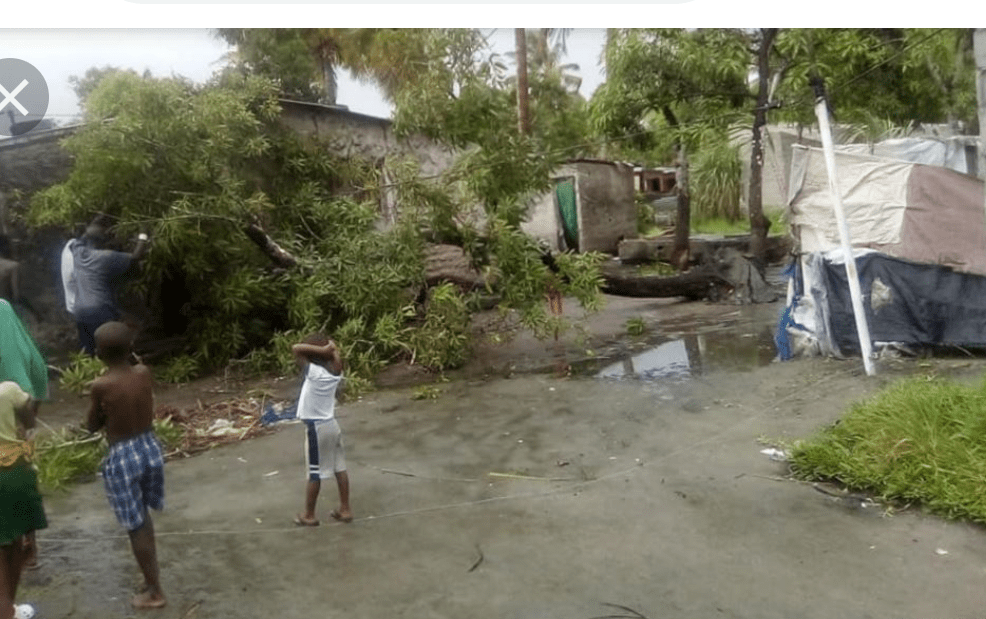
People with any knowledge of the southern Africa would know that our Marches are never dark; they are bright, merry and festive times of harvest characterised by families in gathering around fires listening to folklore late into the night while feasting on boiled fresh mealies and peanuts. It is unlike March to be dark, it is unlike March to be this sad. Cyclone Idai cast a heavy cloud on our bright March and it will take ages to aeons to reverse the effects of this storm that knocked at the doorstep of southern Africa.

I remember following up the progress of the storm on my phone whilst I was rushing to the Gynaecology ward on the Monday morning, it had been raining all weekend in Harare and I could only imagine what people in Eastern Zimbabwe, Mozambique and Malawi were going through. As I got to the ward I met my new patient, a lady in her mid-30s who had experienced an early second trimester miscarriage; as we started talking I simply could not put my finger on what exactly could have put her at risk of a miscarriage. As I probed further she then told me a story that tugged at my heart, two days before her miscarriage she had received a call from Chimanimani (a town in Eastern Zimbabwe) being told that the rural home she had built for her family has been swept away by the cyclone and that she had since not managed to contact anyone at her rural home after receiving the phone call; she was torn apart even though she was miles away from the physical devastation of the storm and she was clueless on what had become of her property and her family. In that very moment I realised that people were experiencing the consequences of climate change across South-eastern Africa; sea levels are rising in the Indian Ocean, coastal cities are living under threat and the cyclone put all this within unavoidable view. In that moment I realised that we cannot think of the future of healthcare without considering climate change and the natural disasters that are coming with it.

The health devastation was far and wide and promises to be long term; in Machongwe village some people with chronic conditions such as HIV lost their medication in the rain, some simply could not access it because the weather impeded on their mobility and some were trying to look for their missing loved ones. In Malawi some survivors were moved to evacuation camps whose nearby clinics struggled to cope with the population influx and were consistently running out of medication, UNICEF has since deployed mobile clinics to help deal with the children affected by malnutrition, diarrhea and malaria post-cyclone. On April 1, reports crept in from Beira (a city that suffered the full brunt of the cyclone) that they had experienced their first cholera death and a hefty effort to distribute cholera vaccines has since been initiated. With at least 35 health facilities fully and partially destroyed, health workers themselves left homeless and bereaved one can only imagine the urgent situation in maternal and child health which is one of the backbones to primary healthcare and our goal to achieve health for all; one can only imagine the pregnant women and the young women and children who have been placed in a very vulnerable position that requires urgent and long term sexual and reproductive health intervention. The mental health of the affected needs to be strongly guarded and intervention must be immediate because the psychological effects of this cyclone will outlast the physical effects and outlive generations; if handled poorly the side effects will permeate into classrooms, boardrooms and government institutions in a few years.

Fundamental to the global movement towards health for all is equitable access to healthcare geographically (there is no health for the people away from the people), high quality health services and financial protection against hardship for healthcare users. Populations, medical students, medical professionals and community leadership cannot afford to be silent and disorganised in advocating for these issues and governments cannot afford to be laissez-faire in the implementation of these fundamentals because climate change and natural disasters will expose institutional weaknesses in a painful way and there will be no one but ourselves to blame.
Climate change is right on our doorstep, threatening to wreak havoc but radical regional and national action that could make a difference is absent. Climate change can no longer be ignored, even the landlocked small country called Zimbabwe can no longer avoid this conversation. Zimbabwe, Malawi and Mozambique have signed the Paris Agreement and the Kyoto Protocol on climate change and now is the time to take radical steps in preventing climate change, dealing with its current effects and armouring our primary healthcare with capacity to provide health for all. Let us all learn more, advocate more, legislate and implement because climate change and natural disasters are a health issue.

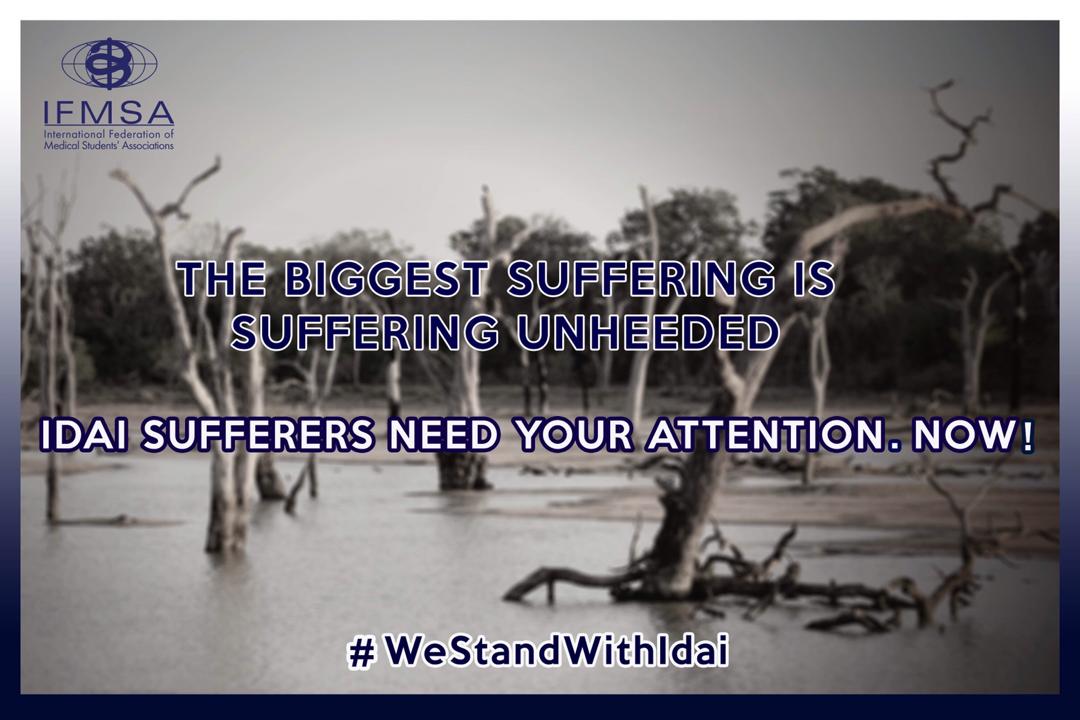
#WeStandWithIdai
Please stand with and support organisations that are on the ground supporting and providing aid and rehabilitation to the affected people in Zimbabwe, Malawi and Mozambique. The journey is only beginning.

By Alistair Shingirai Mukondiwa

(Fifth year Medical student at the University of Zimbabwe, Development Assistant for Africa at the International Federation of Medical Students Associations’, Public Health and Social Justice enthusiast)

Generalised anxiety Disorder

The twenty first century is described as one of the most difficult centuries, with economic crises, disasters both natural and manmade, climate change and emergence of life-threatening illnesses, unlike the centuries preceding it, there is also an increase in the number of cases of mental illnesses. While mental illness is becoming more recognised as a public health issue, the majority of Zimbabwe’s population are still ignorant of this subtle yet disruptive illness. There is a wide range of presentations of mental illnesses and the severity of these range from subtle abnormalities to severe impairment of function. In this article we will discuss on anxiety disorders, with particular attention on Generalised Anxiety Disorder.
Generalised Anxiety Disorder affects a fifth of the world’s population with a strong predisposition in females than males. It can be diagnosed in childhood and does not have a specific trigger.
Generalised anxiety disorder (GAD) may be described as excessive worrying or nervousness for the future, current events, family, work and the many aspects of life. It is often described in the context that life is a worry. Its clinical diagnosis requires presence of symptoms for 6 months. While anxiety is a normal phenomenon of life particularly when approaching unknown territory or when one is required to step out of their comfort zone, GAD is excessive and exaggerated and this worrying does not stop. The people suffering GAD are unable to control the worrying and in turn it affects their performance, concentration and the cycle becomes vicious with time. They may be withdrawn, uneasy or hesitant.
The disorder progresses to Depression and literature shows a strong relationship between the two. Therefore it requires immediate attention.
Generalised Anxiety Disorder can be treated by psychological and pharmacological interventions.
Psychological intervention include Cognitive Behavioural Therapy, a therapy which involves changing the way one thinks of life, the future and what the person worries about so that they create coping mechanisms before it becomes excessive. The therapy also involves changes in behaviour related to the anxieties.

By Tendai Tagarisa