
I have found boxes of condoms on free display at border posts, clinics, university bathrooms and even in some instances school corridors. But where are sanitary pads? Are sanitary pads not more expensive and more crucial than condoms as they are a necessity in a woman’s life?
Cultures differ all over the world so it is quite difficult to point out the social norms and abnormalities when it comes to everyday topics and conversations. However in this modern day and age where almost everything is legal, everyone has an opinion and even grass practically has rights, I find it quite ironical if not pathetic that women still have to whisper to ask for a pad or a tampon and practically hide any signs of menstruation. Almost as if, a completely normal physiological process is a taboo. Are we really that in denial as a human race, so much so to the point that some women and girls in certain cultures miss school and work as they are considered somewhat unclean?
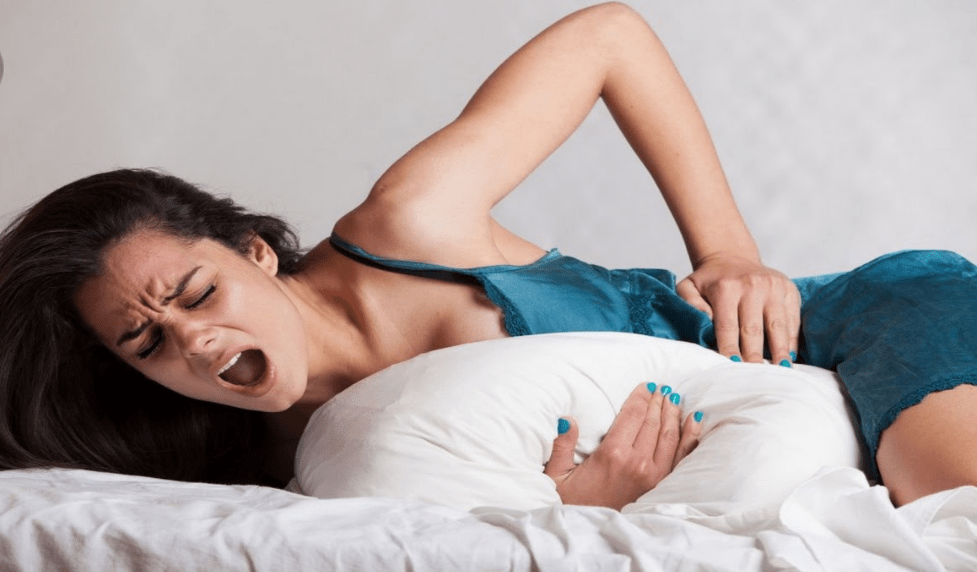
The problem is periods have so many myths associated with them as some think conditions such as period pain are a myth and that women just use periods as an excuse to be “hormonal” whereas the abnormal pain experienced by most during a period is real. This condition even has a medical name: dysmenorrhea
Around 20 percent of women suffer from dysmenorrhea that’s severe enough to interfere with their daily activities. This condition affects their ability to concentrate, increases anxiety and involves a great amount of discomfort.
Despite the socially induced fear and shame menstruation is a completely natural, necessary, and inevitable bodily process that we are still expected to keep our periods clean, quiet, and out of sight. A rarely known fact is that period blood isn’t rejected body fluids or the body’s way of flushing out toxins. Think of it as evolved vaginal secretion — there’s a little bit of blood, uterine tissue, mucous lining, and bacteria.
Your period blood can show health alerts on what may be wrong in the body, but if we don’t discuss it how do we diagnose it?
Period blood is very different from the blood that moves continuously through the veins. It’s less concentrated blood. It has fewer blood cells than ordinary blood.
The ignorance we have not only kept us narrow-minded but, has to lead to stigmatization around the world making it difficult for some women to get treatment for conditions such as dysmenorrhea and other further effects it has.
Some bad period cramps indicate deeper conditions such as:
• Endometriosis
• Fibroids
• Pelvic inflammatory disease (PID)
• Adhesions
• Ovarian cysts
• Cervical stenosis
• IUD birth control devices malfunction
The only way someone can know if they are suffering from any of the above is from receiving further tests and because of these acute taboos around menstruation, women and girls ONLY go to gynecologists during pregnancy-related matters or severe gynecology issues. Most don’t go-to doctors for regular check-ups leading to issues like breast cancer going unnoticed till very late.
UNICEF estimates that one in 10 school-age African girls does not attend school during menstruation.
Period poverty is real but the average woman is spending around 500 US dollars per year on pads and I said average now imagine the heavy bleeders? What about those who can’t afford this amount of money annually?
“In India alone, only 12 percent of the entire population of bleeders have access to the products they need. I mean that’s dire poverty and the fact that we don’t talk about it is the reason why this happens,” Ms. Gandhi said.
What is very gut-wrenching is because the women in rural and semi-urban India don’t have access to clean sanitary methods of protection some end up using leaves, straw, grass during menstruation. This, in turn, leads to severe infection and even death!
In my opinion, condoms should not necessarily be a right in comparison to sanitary pads as in one abstinence can be exercised whereas in another case menstruation occurs every month. In most third world countries girls who can’t afford pads regularly miss school due to menstruation being a social taboo and some are forced to stay in period huts. This highlights the sad reality that awareness and funds from NGOs are still quite low and this is affecting our ability to empower women at a young age. Are we overlooking the fact that “period huts” are not sanitary or even the possible infections which can be found in materials being used such as cloth to substitute sanitary wear, which in the long run can lead to cervical cancer?
The 21st century has claims on equality awareness and rights yet it’s still quite disappointing that boys only know about sanitary pads from TV ads, but never quite understand what it is or why they are used. This makes it highly difficult and frustrating for the everyday female to discuss “period issues” as they are somewhat foreign to most men. And honestly, if women are not outright able to talk about menstruation how can we bring to light other pressing issues and conditions such as breast cancer and sadly even rape?
What is a routine part of life for many women is a significant burden for others, on average; those who menstruate will do so for seven years during their lifetime. Imagine if we were ashamed of seven years of our lives.
In some cultures being on your period is viewed as being unclean and a pure taboo to be around other clean humans, this is quite ignorant and somewhat absurd as it highlights that more than half of the population will be unclean in its lifetime.
For us to be able to solve all these problems and overcome the taboo.
The government should teach menstruation in schools to girls and boys at the same time treat it like photosynthesis because I strongly believe such talks are usually reserved for females and deemed unnecessary for males creating ignorance.
Over 23 percent of girls in India drop out of school after their first menstruation due to shame and being shunned for a natural biological process. The moment we get rid of such a stigma in the long term it will result in the empowerment of women through education and increased role in decision-making.
I’m not saying women should walk around bearing blood-stained clothes but it would be nice to not have to hide sanitary pads in a shopping basket or to walk to the bathroom without hiding the pad. By normalizing menstruation, what we want is for people with periods to be able to talk about their symptoms and experiences to take note if there are no underlying diseases and illnesses present.
I urge schools universities, workplaces, and border posts to also display pads in their bathrooms and corridors like paintings the same way they display condoms!
By Charmaine Sanyika
Feedback : zimsascoph@gmail
 ZIMSA HEALTH BLOG