
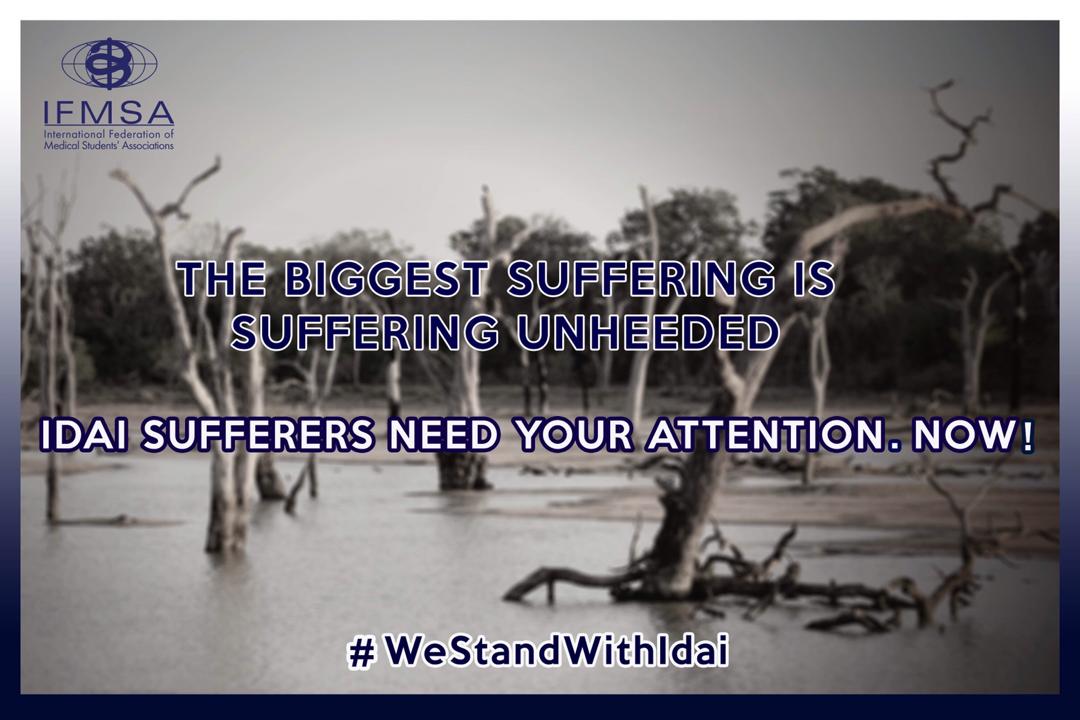
March 2018 was a very dark March.
People with any knowledge of the southern Africa would know that our Marches are never dark; they are bright, merry and festive times of harvest characterised by families in gathering around fires listening to folklore late into the night while feasting on boiled fresh mealies and peanuts. It is unlike March to be dark, it is unlike March to be this sad. Cyclone Idai cast a heavy cloud on our bright March and it will take ages to aeons to reverse the effects of this storm that knocked at the doorstep of southern Africa.
I remember following up the progress of the storm on my phone whilst I was rushing to the Gynaecology ward on the Monday morning, it had been raining all weekend in Harare and I could only imagine what people in Eastern Zimbabwe, Mozambique and Malawi were going through. As I got to the ward I met my new patient, a lady in her mid-30s who had experienced an early second trimester miscarriage; as we started talking I simply could not put my finger on what exactly could have put her at risk of a miscarriage. As I probed further she then told me a story that tugged at my heart, two days before her miscarriage she had received a call from Chimanimani (a town in Eastern Zimbabwe) being told that the rural home she had built for her family has been swept away by the cyclone and that she had since not managed to contact anyone at her rural home after receiving the phone call; she was torn apart even though she was miles away from the physical devastation of the storm and she was clueless on what had become of her property and her family. In that very moment I realised that people were experiencing the consequences of climate change across South-eastern Africa; sea levels are rising in the Indian Ocean, coastal cities are living under threat and the cyclone put all this within unavoidable view. In that moment I realised that we cannot think of the future of healthcare without considering climate change and the natural disasters that are coming with it.
The health devastation was far and wide and promises to be long term; in Machongwe village some people with chronic conditions such as HIV lost their medication in the rain, some simply could not access it because the weather impeded on their mobility and some were trying to look for their missing loved ones. In Malawi some survivors were moved to evacuation camps whose nearby clinics struggled to cope with the population influx and were consistently running out of medication, UNICEF has since deployed mobile clinics to help deal with the children affected by malnutrition, diarrhea and malaria post-cyclone. On April 1, reports crept in from Beira (a city that suffered the full brunt of the cyclone) that they had experienced their first cholera death and a hefty effort to distribute cholera vaccines has since been initiated. With at least 35 health facilities fully and partially destroyed, health workers themselves left homeless and bereaved one can only imagine the urgent situation in maternal and child health which is one of the backbones to primary healthcare and our goal to achieve health for all; one can only imagine the pregnant women and the young women and children who have been placed in a very vulnerable position that requires urgent and long term sexual and reproductive health intervention. The mental health of the affected needs to be strongly guarded and intervention must be immediate because the psychological effects of this cyclone will outlast the physical effects and outlive generations; if handled poorly the side effects will permeate into classrooms, boardrooms and government institutions in a few years.
Fundamental to the global movement towards health for all is equitable access to healthcare geographically (there is no health for the people away from the people), high quality health services and financial protection against hardship for healthcare users. Populations, medical students, medical professionals and community leadership cannot afford to be silent and disorganised in advocating for these issues and governments cannot afford to be laissez-faire in the implementation of these fundamentals because climate change and natural disasters will expose institutional weaknesses in a painful way and there will be no one but ourselves to blame.
Climate change is right on our doorstep, threatening to wreak havoc but radical regional and national action that could make a difference is absent. Climate change can no longer be ignored, even the landlocked small country called Zimbabwe can no longer avoid this conversation. Zimbabwe, Malawi and Mozambique have signed the Paris Agreement and the Kyoto Protocol on climate change and now is the time to take radical steps in preventing climate change, dealing with its current effects and armouring our primary healthcare with capacity to provide health for all. Let us all learn more, advocate more, legislate and implement because climate change and natural disasters are a health issue.
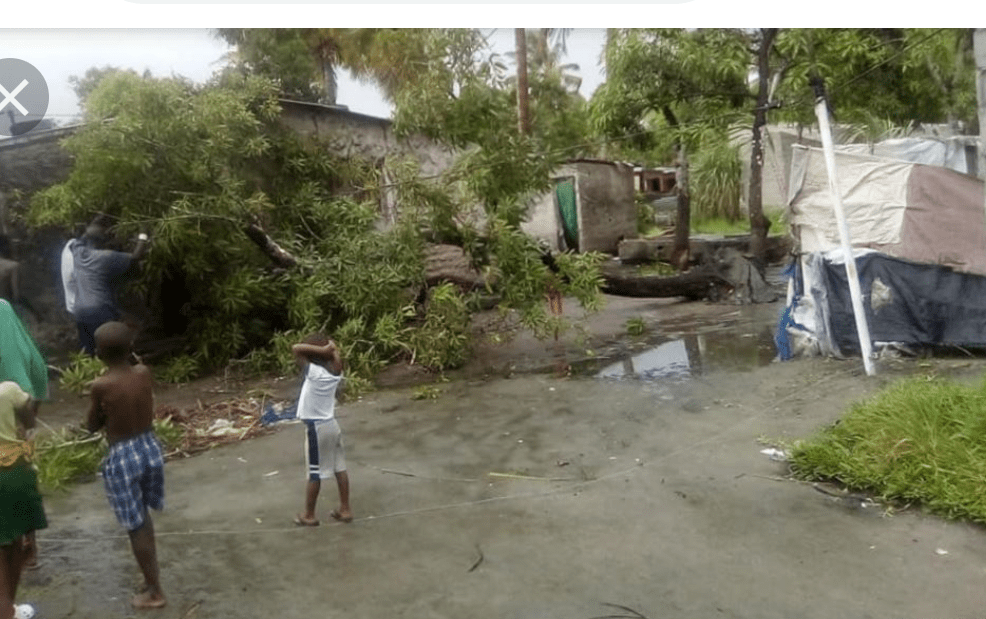
#WeStandWithIdai
Please stand with and support organisations that are on the ground supporting and providing aid and rehabilitation to the affected people in Zimbabwe, Malawi and Mozambique. The journey is only beginning.
By Alistair Shingirai Mukondiwa
(Fifth year Medical student at the University of Zimbabwe, Development Assistant for Africa at the International Federation of Medical Students Associations’, Public Health and Social Justice enthusiast)
 ZIMSA HEALTH BLOG